
The Role of Transportation in Modern Life: How Everyone Uses It Every Day
Transportation is one of the most essential parts of modern life. Whether you are commuting to work, traveling for leisure, delivering products, or simply going out to buy groceries — transportation plays a crucial role in everything we do. We often take it for granted, but it’s something everyone uses, directly or indirectly, every single day.
From bicycles and buses to airplanes and freight trucks, connects people, goods, and services across cities, countries, and continents. In this blog, we’ll explore why is so vital, the different modes people use, how it impacts daily life, and how future trends are shaping how we move around the world.
Transportation: A Basic Human Need
Imagine a day without transportation. No buses, no trains, no cars, no deliveries. Life would come to a standstill. travelling is not just a convenience — it’s a foundation of civilization. It connects homes to schools, workers to jobs, farmers to markets, patients to hospitals, and goods to consumers.
Every society depends on transport to:
- Enable mobility for people of all ages
- Support economic activity by moving goods
- Ensure access to services like healthcare, education, and shopping
- Promote tourism and cultural exchange
- Respond to emergencies and disasters
Whether you’re in a rural village or a major city, transportation affects your quality of life.
Types of Transportation People Use Daily
1. Public Transport
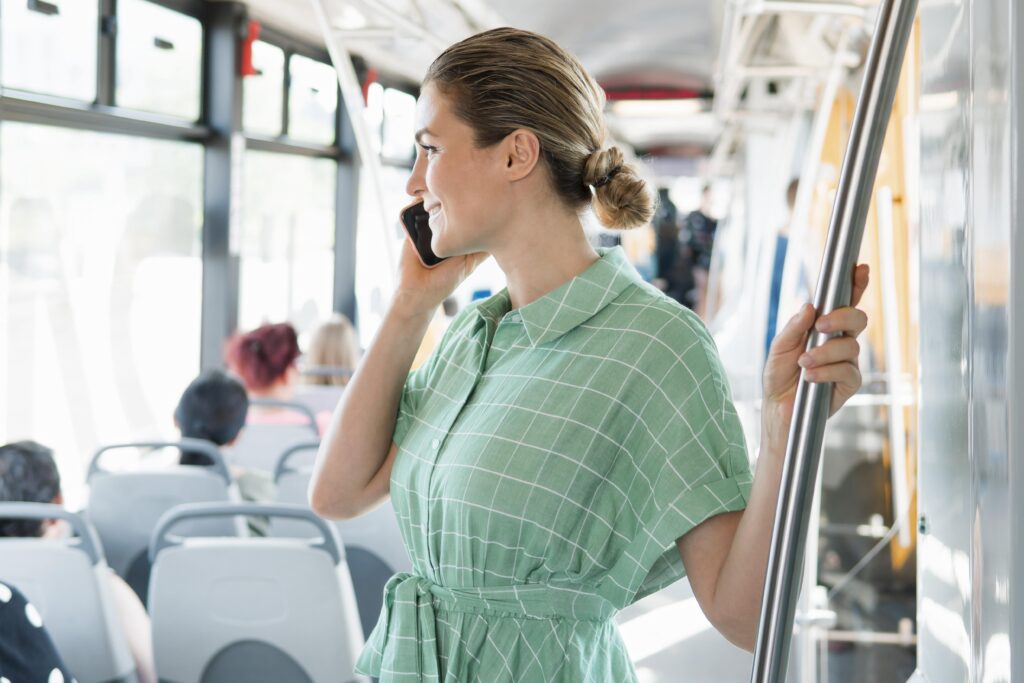
Millions of people use buses, metros, and trains daily to commute to work or school. Public transport is cost-effective, environment-friendly, and reduces traffic congestion. In big cities like New York, Tokyo, or Delhi, public transit is the lifeline of the city.
2. Personal Vehicles
Cars, motorcycles, and scooters are widely used for personal and family mobility. They offer freedom, comfort, and flexibility, especially in areas where public transport is limited.
3. Two-Wheelers and Bicycles
In many parts of Asia and Africa, two-wheelers and bicycles are the most common forms of travalling.
. They are affordable, fuel-efficient, and perfect for short distances.
4. Walking
Believe it or not, walking is still the most basic and universal form of transportation. In cities with good pedestrian infrastructure, walking is not just healthy but also a practical choice for short trips.
5. Air Travel
For longer distances, air travel has revolutionized how people move around the globe. Business travelers, tourists, and international workers all rely on planes to cross countries and continents.
6. Goods Transportation
Even if you don’t move every day, the things you use do. Trucks, cargo ships, trains, and planes transport goods around the clock — food, electronics, clothes, medicine, and more.
Transportation in Everyday Life: Examples
Let’s look at some everyday scenarios where traveling plays a role:
- Going to School: Children take school buses or cycle to reach school safely.
- Grocery Shopping: You drive, bike, or walk to the nearest store, or the items are delivered by a delivery van.
- Online Shopping: A product ordered online travels hundreds of kilometers through planes, trucks, and warehouses before reaching your doorstep.
- Medical Needs: Ambulances rush patients to hospitals. Life-saving medicines are travel regions.
- Waste Management: Garbage trucks keep our cities clean by collecting and travale waste daily.
In all these examples, travel is silently doing its job behind the scenes.
Economic Importance of Transportation
Transportation is the backbone of trade and industry. Without it, supply chains would break down, markets wouldn’t function, and economic growth would stall.
- Agriculture: Farmers depend on trucks and trains to traveling their produce to markets.
- Manufacturing: Raw materials and finished goods are moved between factories, warehouses, and retailers.
- E-commerce: Companies like Amazon, Flipkart, and Alibaba rely entirely on strong logistics and travelling networks.
- Tourism: People travel by bus, train, or air to visit tourist destinations, boosting the economy of local areas.
In short, every business — large or small — needs traveling to survive and thrive.
Environmental Impact of Transportation
While travel is vital, it also contributes significantly to environmental challenges. Vehicles powered by fossil fuels release greenhouse gases, leading to air pollution and climate change. Urban traffic also leads to noise pollution and stress.
To address this, many cities and countries are promoting:
- Electric vehicles (EVs)
- Public transport systems
- Cycling and walking infrastructure
- Carpooling and ride-sharing
- Fuel-efficient engines and eco-driving practices
The goal is to create a sustainable transport system that meets current needs without harming the future.
The Future of Transportation
Technology is rapidly transforming the way we move. Here are some exciting trends shaping the future of transportation:
1. Electric Vehicles (EVs)
As the world shifts toward clean energy, EVs are becoming more affordable and popular. Governments are offering incentives, and automakers are investing heavily in battery technology.
2. Autonomous Vehicles
Self-driving cars, buses, and trucks are being tested in many countries. While still in early stages, they promise safer, more efficient travel in the future.
3. Hyperloop and High-Speed Rail
Innovative traveling systems like the Hyperloop aim to reduce travel time drastically by moving pods at speeds over 1000 km/h in vacuum tubes.
4. Drone Deliveries
Companies like Amazon are experimenting with using drones to deliver packages quickly and efficiently, especially in hard-to-reach areas.
5. Mobility-as-a-Service (MaaS)
Apps that integrate buses, taxis, trains, and shared vehicles into one platform are making urban traveling more convenient and seamless.
Final Thoughts
Transportation is much more than just moving from point A to point B. It’s the invisible engine that keeps our world running — connecting people, supporting the economy, and enabling modern life. Everyone uses in some form every day, and as technology evolves, the way we travel will become faster, smarter, and more sustainable.
As individuals, we can also play a role by:
- Using public travel more often
- Walking or cycling for short trips
- Carpooling with others
- Supporting eco-friendly travel options
In doing so, we not only save money and reduce stress but also help build a greener future for the next generation.
The Role of Transportation in Modern Life: How Everyone Uses It Every Day
Is one of the most essential parts of modern life. Whether you are commuting to work, traveling for leisure, delivering products, or simply going out to buy groceries — traveling plays a crucial role in everything we do. We often take it for granted, but it’s something everyone uses, directly or indirectly, every single day.
From bicycles and buses to airplanes and freight trucks, traveling connects people, goods, and services across cities, countries, and continents. In this blog, we’ll explore why traveling is so vital, the different modes people use, how it impacts daily life, and how future trends are shaping how we move around the world.
Transportation: A Basic Human Need
Imagine a day without traveling . No buses, no trains, no cars, no deliveries. Life would come to a standstill. Transportation is not just a convenience — it’s a foundation of civilization. It connects homes to schools, workers to jobs, farmers to markets, patients to hospitals, and goods to consumers.
Every society depends on travel to:
Enable mobility for people of all ages
Support economic activity by moving goods
Ensure access to services like healthcare, education, and shopping
Promote tourism and cultural exchange
Respond to emergencies and disasters
Whether you’re in a rural village or a major city, travel affects your quality of life.
Types of Transportation People Use Daily
1. Public Transport
Millions of people use buses, metros, and trains daily to commute to work or school. Public travel is cost-effective, environment-friendly, and reduces traffic congestion. In big cities like New York, Tokyo, or Delhi, public transit is the lifeline of the city.
2. Personal Vehicles
Cars, motorcycles, and scooters are widely used for personal and family mobility. They offer freedom, comfort, and flexibility, especially in areas where public travel is limited.
3. Two-Wheelers and Bicycles
In many parts of Asia and Africa, two-wheelers and bicycles are the most common forms of travel. They are affordable, fuel-efficient, and perfect for short distances.
4. Walking
Believe it or not, walking is still the most basic and universal form of traveling. In cities with good pedestrian infrastructure, walking is not just healthy but also a practical choice for short trips.
5. Air Travel
For longer distances, air travel has revolutionized how people move around the globe. Business travelers, tourists, and international workers all rely on planes to cross countries and continents.
6. Goods Transportation
Even if you don’t move every day, the things you use do. Trucks, cargo ships, trains, and planes transport goods around the clock — food, electronics, clothes, medicine, and more.
Transportation in Everyday Life: Examples
Let’s look at some everyday scenarios where traveling plays a role:
Going to School: Children take school buses or cycle to reach school safely.
Grocery Shopping: You drive, bike, or walk to the nearest store, or the items are delivered by a delivery van.
Online Shopping: A product ordered online travels hundreds of kilometers through planes, trucks, and warehouses before reaching your doorstep.
Medical Needs: Ambulances rush patients to hospitals. Life-saving medicines are transported across regions.
Waste Management: Garbage trucks keep our cities clean by collecting and traveling waste daily.
In all these examples, traveling is silently doing its job behind the scenes.
Economic Importance of Transportation
Is the backbone of trade and industry. Without it, supply chains would break down, markets wouldn’t function, and economic growth would stall.
Agriculture: Farmers depend on trucks and trains to transport their produce to markets.
Manufacturing: Raw materials and finished goods are moved between factories, warehouses, and retailers.
E-commerce: Companies like Amazon, Flipkart, and Alibaba rely entirely on strong logistics and transportation networks.
Tourism: People travel by bus, train, or air to visit tourist destinations, boosting the economy of local areas.
In short, every business — large or small — needs transportation to survive and thrive.
Environmental Impact of Transportation
While transportation is vital, it also contributes significantly to environmental challenges. Vehicles powered by fossil fuels release greenhouse gases, leading to air pollution and climate change. Urban traffic also leads to noise pollution and stress.
To address this, many cities and countries are promoting:
Electric vehicles (EVs)
Public transport systems
Cycling and walking infrastructure
Carpooling and ride-sharing
Fuel-efficient engines and eco-driving practices
The goal is to create a sustainable transport system that meets current needs without harming the future.
The Future of Transportation
Technology is rapidly transforming the way we move. Here are some exciting trends shaping the future of transportation:
1. Electric Vehicles (EVs)
As the world shifts toward clean energy, EVs are becoming more affordable and popular. Governments are offering incentives, and automakers are investing heavily in battery technology.
2. Autonomous Vehicles
Self-driving cars, buses, and trucks are being tested in many countries. While still in early stages, they promise safer, more efficient travel in the future.
3. Hyperloop and High-Speed Rail
Innovative transport systems like the Hyperloop aim to reduce travel time drastically by moving pods at speeds over 1000 km/h in vacuum tubes.
4. Drone Deliveries
Companies like Amazon are experimenting with using drones to deliver packages quickly and efficiently, especially in hard-to-reach areas.
5. Mobility-as-a-Service (MaaS)
Apps that integrate buses, taxis, trains, and shared vehicles into one platform are making urban transport more convenient and seamless.
Final Thoughts
Transportation is much more than just moving from point A to point B. It’s the invisible engine that keeps our world running — connecting people, supporting the economy, and enabling modern life. Everyone uses transportation in some form every day, and as technology evolves, the way we travel will become faster, smarter, and more sustainable.
As individuals, we can also play a role by:
Using public transport more often
Walking or cycling for short trips
Carpooling with others
Supporting eco-friendly travel options
In doing so, we not only save money and reduce stress but also help build a greener future for the next generation.