
TRANSPORT IS VERY IMPORTED

Transport: An important part of our life

In today’s fast-paced world, “transport” has become an integral part of our life. Whether it is going to school, reaching office, or sending goods from one corner of the country to another – the role of is very important everywhere.

Types 

There are mainly three types

Land Transport: Such as bus, car, truck, train etc. This is the most common and accessible medium.

Water supply: Such as boat, ship etc. This is useful in  heavy goods from one country to another.

Air Transport: Such as airplane. This is the fastest but expensive medium.

Importance 

Contribution in economic development
The better the  system, the easier is the business. It is possible to deliver raw material and finished goods to industries on time.

Employment opportunities
Lakhs of people get employment in the fields related to  – such as drivers, mechanics, pilots, railway employees etc.

Social connectivity

connects people. We are able to meet our relatives, travel to new places.

Emergency services

Services like ambulance, fire brigade, police also depend on fast and better service.

Environment

While on one hand has made life easier, on the other hand it has also increased pollution. Especially diesel and petrol based vehicles pollute the air. Therefore, now options like electric vehicles, public  bicycles are being promoted.

is not just a facility, but the backbone of the development of society and the country. We should use it wisely, and adopt such measures which can make this facility accessible, affordable and environment friendly for everyone.
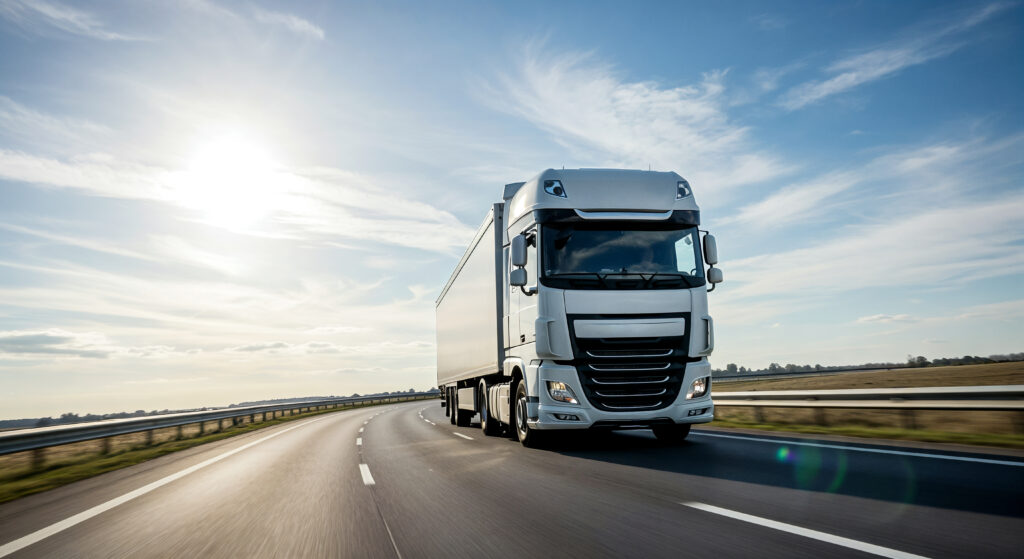
 

transport

What is Transportation? Is it the same as transport?

Logistics and transportation are intertwined, though they aren’t the same thing. Whilst logistics refers to the entire process of the supply chain, is just a part of that process, though it’s crucial to the process. Without efficient transportation from A to B, the supply chain would break down, so pretty much all logistics planning involves the consideration of transportation.

Transportation is moving whatever comes out of one location to the next location. That might mean transporting something from a manufacturer to a distributor, or from a distributor to a customer.

A supply chain, transportation is simply the movement of goods from one location to another.As an example, one location might be the place where you source raw materials or where you source goods from a manufacturing facility. We call such a location a node in the supply chain. There is then a series of such nodes or locations to finally get to the end customer.

What are nodes in logistics? When it comes to the supply chain, nodes refer to the fixed locations within the supply chain. This could be a starting location where natural resources and raw materials are sourced, through to where they are delivered: manufacturing facilities, distribution centres, retailers and then finally to the end consumer. Just like how in networking nodes are used to describe points of connection, in logistics it refers to locations within the supply chain (it makes sense, when node is derived from the Latin word nodus, which literally translates to “knots”). What can you say about other terms used in the Freight Sector? The terms used sometimes overlap in their meaning. Depending on the context or the person who’s using them, they may mean the same thing or something different. Often, there’s no absolute right or wrong. Examples of similarity or overlap include “freight” or “haulage” and “line haul” or “distribution”. It may be important to differentiate in some cases. “Line haul” for instance is moving goods or materials between cities or states, and is different from local distribution, which is moving something within the same city or locality. Delivery of goods to your home from a local store is an example of local distribution. On the other hand, moving the same goods in bulk and over long distances is line haul. By the way, that’s the name used in America and Australia; in Europe, it’s referred to as “trunking”. What about the “Last Mile” we keep hearing about? Yes, last mile is another related term that’s become commonly used in recent years, mostly since the emergence of online retail and subsequently, multi-channel distribution. When you hear reference made to last mile transportation, or distribution, it simply means the transportation of goods from the final node of the supply chain into the hands of the end customer. Mostly it relates to consumer home delivery, with the last mile being the trip from a warehouse, distribution centre, or even retail-store stockroom to the consumer’s front door. However, in the case of click-and-collect sales, where the consumer picks up their order from a retail outlet, the last mile is the trip from distribution centre to retail outlet. Learn more about transportation in the supply chain Hopefully this clears up some of the ambiguity about and transportation, but there’s a lot more to know if you’re new to the supply chain world, from improving your transport fleet efficiency through to reducing your freight costs. We also offer consulting services if you need an expert to help with your current challenges. Our team can assist with optimising your modes, streamline your logistics processes, and enhance your supply chain visibility.

Leave a Comment

Your email address will not be published. Required fields are marked *

Scroll to Top